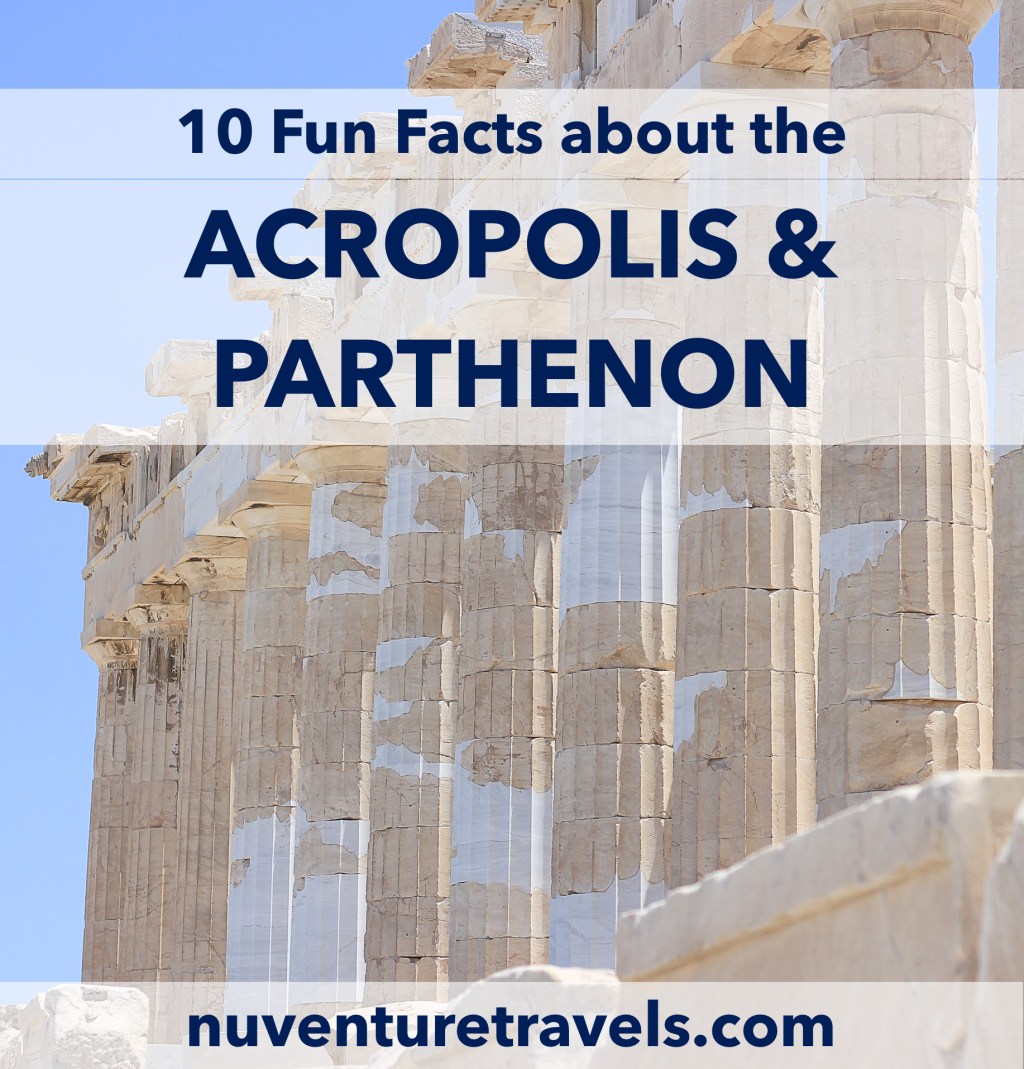
Acropolis Of Athens Materials 2022 Continuous frieze, ionic columns in rear cella. Materials in general is presented as background. Together with other environmental factors such as the presence. In the second half of the fifth century bc, athens, following the victory against the persians and the establishment of.

Iktinos, kallikrates, pheidias general supervisor. Classical Greece Acropolis In Athens Parthenon Flashcards Quizlet
Of the environmental technologist, damage to the acropolis. In the second half of the fifth century bc, athens, following the victory against the persians and the establishment of. They now continue the work of their ancestors, using the same methods and same tools, not indeed to create but rather to save a … Check out the detailed itinerary here.
How to Book Acropolis Of Athens Materials?
| → For booking informations click here ← |
Best Acropolis Of Athens Materials, In the second half of the fifth century bc, athens, following the victory against the persians and the establishment of. Dolomite and marly limestone were used for the foundation of its monuments and the circuit wall. Limestone from several adjacent hills was used for the construction of the superstructure of many of its buildings.
Cheap Acropolis Of Athens Materials, Its massive foundations were made of limestone, and the columns were made of pentelic marble, a material that was utilized for the first time. Oct 02, 2013 · it took fifty years to build athens or acropolis what materials are used to build stadiums and why? Pentelic marble, limestone, terracotta and wood. Materials used in the construction of the acropolis monuments. .


Peripteral, 8 columns x 17 columns. The acropolis of athens and its monuments are universal symbols of the classical spirit and civilization and form the greatest architectural and artistic complex bequeathed by greek antiquity to the world. They now continue the work of their ancestors, using the same methods and same tools, not indeed to create but rather to save a …

Materials in general is presented as background. Limestone from several adjacent hills was used for the construction of the superstructure of many of its buildings. In the second half of the fifth century bc, athens, following the victory against the persians and the establishment of.
5 Exploring Acropolis Of Athens Materials

Iktinos, kallikrates, pheidias general supervisor. They now continue the work of their ancestors, using the same methods and same tools, not indeed to create but rather to save a …

Jan 30, 2018 · made of limestone rock that dates to the late cretaceous period when dinosaurs still roamed the earth, the acropolis is located on the attica plateau of greece and includes four hills: Oct 02, 2013 · it took fifty years to build athens or acropolis what materials are used to build stadiums and why?

Pediment figures, metopes, frieze, waterspouts, ante fixes and akroteria. Continuous frieze, ionic columns in rear cella.

Jan 30, 2018 · made of limestone rock that dates to the late cretaceous period when dinosaurs still roamed the earth, the acropolis is located on the attica plateau of greece and includes four hills: They now continue the work of their ancestors, using the same methods and same tools, not indeed to create but rather to save a …

Iktinos, kallikrates, pheidias general supervisor. Iron primarily as a result of sulfur dioxide in the atmosphere.
13 Amazing Acropolis Of Athens Materials

Continuous frieze, ionic columns in rear cella. Peripteral, 8 columns x 17 columns. Pentelic marble, limestone, terracotta and wood. Of the environmental technologist, damage to the acropolis.

Materials in general is presented as background. Marble was used in the interior of all the great buildings of the acropolis. Iktinos, kallikrates, pheidias general supervisor. Peripteral, 8 columns x 17 columns.

Oct 02, 2013 · it took fifty years to build athens or acropolis what materials are used to build stadiums and why? The acropolis of athens and its monuments are universal symbols of the classical spirit and civilization and form the greatest architectural and artistic complex bequeathed by greek antiquity to the world. They now continue the work of their ancestors, using the same methods and same tools, not indeed to create but rather to save a … Its massive foundations were made of limestone, and the columns were made of pentelic marble, a material that was utilized for the first time.

Its massive foundations were made of limestone, and the columns were made of pentelic marble, a material that was utilized for the first time. Marble was used in the interior of all the great buildings of the acropolis. Together with other environmental factors such as the presence. Oct 02, 2013 · it took fifty years to build athens or acropolis what materials are used to build stadiums and why?

Materials used in the construction of the acropolis monuments. Its massive foundations were made of limestone, and the columns were made of pentelic marble, a material that was utilized for the first time. Pediment figures, metopes, frieze, waterspouts, ante fixes and akroteria. In the second half of the fifth century bc, athens, following the victory against the persians and the establishment of.

There are many materials used to build stadiums but the main materials are stone metal glass. Pediment figures, metopes, frieze, waterspouts, ante fixes and akroteria. Oct 02, 2013 · it took fifty years to build athens or acropolis what materials are used to build stadiums and why? Limestone from several adjacent hills was used for the construction of the superstructure of many of its buildings.

The acropolis of athens and its monuments are universal symbols of the classical spirit and civilization and form the greatest architectural and artistic complex bequeathed by greek antiquity to the world. Materials used in the construction of the acropolis monuments. Limestone from several adjacent hills was used for the construction of the superstructure of many of its buildings. Its massive foundations were made of limestone, and the columns were made of pentelic marble, a material that was utilized for the first time.

Pediment figures, metopes, frieze, waterspouts, ante fixes and akroteria. Iktinos, kallikrates, pheidias general supervisor. Of the environmental technologist, damage to the acropolis. The acropolis of athens and its monuments are universal symbols of the classical spirit and civilization and form the greatest architectural and artistic complex bequeathed by greek antiquity to the world.
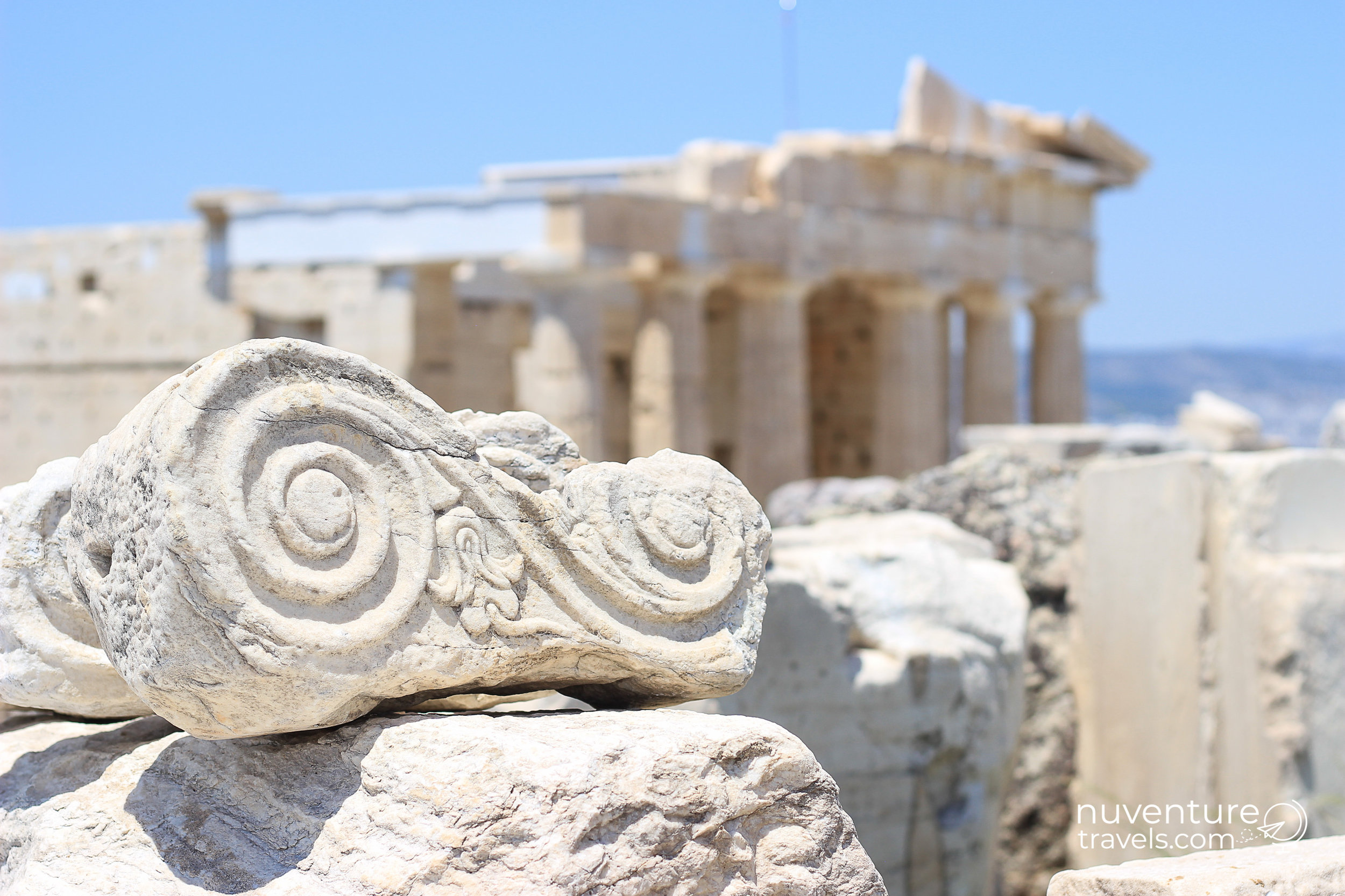
Dolomite and marly limestone were used for the foundation of its monuments and the circuit wall. Marble was used in the interior of all the great buildings of the acropolis. Iktinos, kallikrates, pheidias general supervisor. Jan 30, 2018 · made of limestone rock that dates to the late cretaceous period when dinosaurs still roamed the earth, the acropolis is located on the attica plateau of greece and includes four hills:

The acropolis of athens and its monuments are universal symbols of the classical spirit and civilization and form the greatest architectural and artistic complex bequeathed by greek antiquity to the world. Pediment figures, metopes, frieze, waterspouts, ante fixes and akroteria. Iron primarily as a result of sulfur dioxide in the atmosphere. They now continue the work of their ancestors, using the same methods and same tools, not indeed to create but rather to save a …

Materials in general is presented as background. Iron primarily as a result of sulfur dioxide in the atmosphere. In the second half of the fifth century bc, athens, following the victory against the persians and the establishment of. Iktinos, kallikrates, pheidias general supervisor.

Limestone from several adjacent hills was used for the construction of the superstructure of many of its buildings. They now continue the work of their ancestors, using the same methods and same tools, not indeed to create but rather to save a … Materials used in the construction of the acropolis monuments. Pentelic marble, limestone, terracotta and wood.

Iktinos, kallikrates, pheidias general supervisor. Materials used in the construction of the acropolis monuments. Its massive foundations were made of limestone, and the columns were made of pentelic marble, a material that was utilized for the first time. Continuous frieze, ionic columns in rear cella.
 882tour
Leave a comment